

Forex trading, also known as foreign exchange trading, involves the buying and selling of currencies in the foreign exchange market. With a daily trading volume exceeding $6 trillion, it is the largest financial market in the world. Aspiring traders often wonder how to navigate this complex arena effectively. In this article, we will delve into a practical example of forex trading, walking you through the entire process and highlighting essential strategies and tools. Whether you’re a beginner or an experienced trader seeking to refine your skills, understanding the nuances of forex trading is crucial. For expert guidance, consider checking out forex trading example Trading Broker UZ, a valuable resource for traders of all levels.
What is Forex Trading?
At its core, forex trading involves exchanging one currency for another at an agreed price. Currency pairs, such as EUR/USD or GBP/JPY, are the foundations of forex trading. Here, the first currency in the pair is called the base currency, while the second is the quote currency. The price of a currency pair indicates how much of the quote currency is needed to purchase one unit of the base currency.
Understanding the Mechanics of Forex Trading
Before diving into a forex trading example, it’s important to grasp the basic mechanics involved. Forex trading occurs in pairs and can take two forms: buying (going long) or selling (going short). In simpler terms, when you believe a currency will increase in value, you can buy it. Conversely, if you think a currency will decrease in value, you can sell it.
The forex market is open 24 hours a day, five days a week, which provides ample opportunities for traders to execute trades at their convenience. Major currency pairs often experience higher volatility, which can lead to increased profits but also higher risks. Learning to analyze market trends and using various tools such as charts, indicators, and economic news is essential for effective trading.
A Forex Trading Example
To illustrate how forex trading works, let’s consider a hypothetical scenario involving the EUR/USD currency pair, one of the most traded pairs in the forex market.

Step 1: Market Research and Analysis
Before entering a trade, a trader conducts thorough market research. They analyze economic indicators, interest rates, and geopolitical events that might impact the currencies involved. For this example, suppose the trader believes that the Euro will strengthen against the US Dollar due to strong economic data from the Eurozone.
Step 2: Choosing a Trading Strategy
With a bullish outlook on the EUR/USD pair, the trader chooses a trading strategy. They opt for a straightforward approach, looking to place a market order to buy the euro against the dollar. The trader decides to open a position at the current market price of 1.2000.
Step 3: Placing the Trade
The trader places a buy order for 1 lot (which typically represents 100,000 units of the base currency). At this point, the potential profit or loss will largely depend on the price movement of the EUR/USD pair.
Step 4: Setting a Stop-Loss and Take-Profit Order
To manage risk, the trader sets a stop-loss order at 1.1950 (50 pips below the entry point) and a take-profit order at 1.2100 (100 pips above the entry point). This means that if the price drops to 1.1950, the position will close to prevent further losses. Conversely, if the price rises to 1.2100, the trader will lock in profits.
Step 5: Monitoring the Trade
After placing the trade, the trader continuously monitors the market. They keep an eye on relevant economic news that could influence the value of the Euro or the US Dollar. In this case, positive news from the Eurozone regarding GDP growth further supports the trader’s bullish sentiment.
Step 6: Closing the Trade
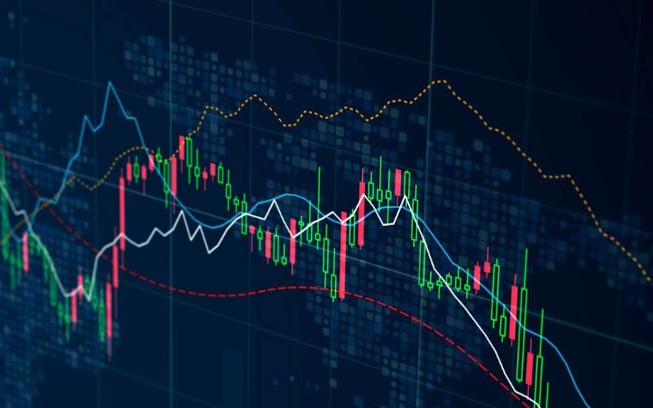
The price of the EUR/USD pair gradually moves in the trader’s favor, reaching 1.2100. The stop-loss order remains in place, ensuring protection against unforeseen market movements. The trader’s position is automatically closed at the take-profit level, resulting in a gain of 100 pips.
Key Takeaways from the Example
This example highlights several critical aspects of forex trading:
- Market Analysis: A successful trade starts with thorough analysis and research of market trends and economic indicators.
- Risk Management: Utilizing stop-loss and take-profit orders can help protect your capital and lock in profits.
- Continuous Learning: The forex market is ever-evolving, and staying informed about market conditions allows traders to make better decisions.
Tools and Resources for Forex Trading
To enhance your trading experience, several tools and resources are available to assist traders. These include:
- Trading Platforms: Platforms like MetaTrader 4/5, cTrader, and various proprietary platforms provided by brokers enable traders to execute trades, analyze charts, and monitor market trends.
- Technical Analysis Tools: Tools such as Fibonacci retracement levels, moving averages, and oscillators (e.g., RSI, MACD) are commonly used to identify potential entry and exit points.
- Economic Calendars: Online calendars that provide information on upcoming economic events, allowing traders to anticipate potential market movements.
- Demo Accounts: Many brokers offer demo accounts that allow traders to practice trading with virtual currency, enabling them to hone their skills without risking real money.
Conclusion
Forex trading can be an exciting yet challenging endeavor. By understanding the fundamentals, practicing with real-time market data, and implementing sound strategies, traders can improve their chances of success. This example serves as a simplified overview of the trading process, emphasizing the significance of analysis, risk management, and continuous education. As you embark on your forex trading journey, consider the insights gained from this example and remain committed to learning and adapting in this dynamic market.